
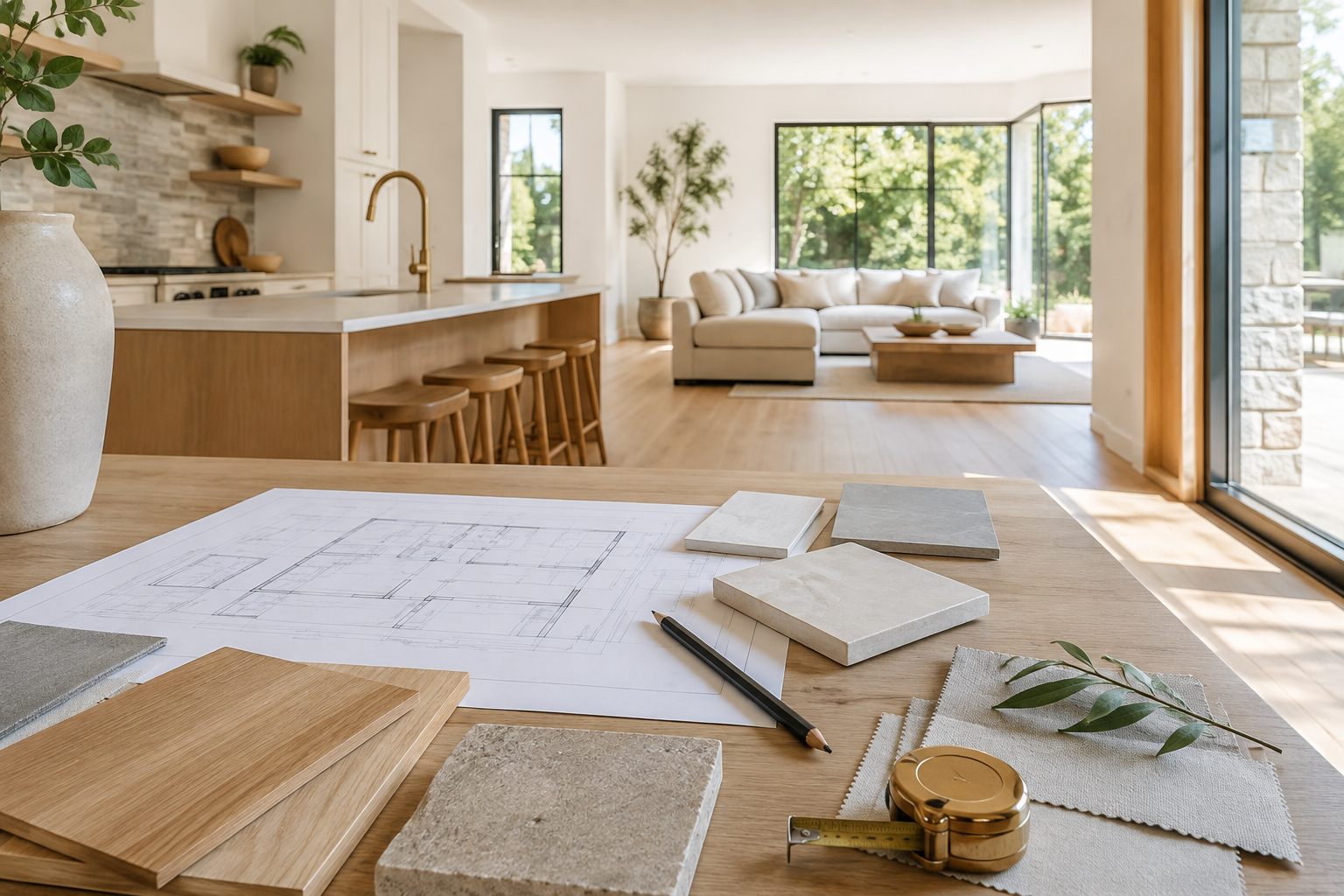
Home remodeling is exciting because it gives you a chance to make your space work better for the way you live now. It can also feel overwhelming when every decision seems connected to another. The best way to start is not by choosing finishes. It is by getting clear on the problem you are solving, the priorities that matter most, and the decisions that need to happen before construction begins.
Start with the everyday friction in your home. Maybe the kitchen is hard to cook in when more than one person is there. Maybe a bathroom lacks storage, a living area feels disconnected, or your family has outgrown the current layout.
Write down the specific moments that are frustrating. Then describe what a better day at home would look like after the remodel. This turns a vague goal such as “update the kitchen” into a useful direction such as “create more prep space, add pantry storage, and make room for two people to cook comfortably.”
Most projects have more possibilities than the budget or timeline can comfortably support. Sorting your wish list early makes later decisions much easier.
This does not mean cutting every aspirational idea. It means knowing which parts of the project should not be compromised when tradeoffs arise.
A remodeling budget is more useful when it is a range rather than a single hard number. The final investment can be influenced by the size of the space, the condition of the existing structure, the work behind walls, the complexity of the layout, and the finishes you select.
Be transparent about your comfort range from the first conversation. A good planning process can then focus on a scope that fits your priorities instead of spending time designing a project that is not aligned with the investment you had in mind.
It is also wise to reserve some flexibility for discoveries that can only be confirmed once work begins, especially in older homes or projects involving plumbing, electrical, or structural changes.
Beautiful finishes cannot solve a layout that still works against you. Before comparing cabinet colors, tile, or hardware, focus on the movement through the room and how each area needs to function.
For a kitchen, consider preparation space, storage, traffic flow, lighting, and how people gather. For a bathroom, think through storage, privacy, ventilation, and how the room feels during a busy morning. For a larger renovation, look at how the rooms connect and whether the updated plan supports both daily routines and the way you host family or friends.
Finishes matter, but they should reinforce a strong plan rather than distract from a weak one.
Save images that help explain what you like, but do not feel pressure to copy an entire room. The most useful inspiration is specific. You might like the warmth of one wood tone, the proportion of another kitchen island, the lighting in a third space, and the way a fourth room combines materials.
As you collect examples, add a quick note about what stands out. That gives your design team more useful direction than a folder of images with no context.
Many remodels slow down because key selections are made too late. Cabinetry, windows, appliances, plumbing fixtures, tile, lighting, and specialty materials may have longer lead times than expected.
A clear selection schedule helps keep the project moving. It also prevents rushed choices later, when there is less time to compare options and confirm availability.
Construction is easier to navigate when everyone knows how updates, questions, approvals, and changes will be handled. Before work begins, ask who your main point of contact will be, how often you can expect updates, and what happens if a decision needs to be made during the project.
You should also understand the scope in plain language. A good scope explains what is included, what is not included, and where allowances or decisions still need to be finalized.
Even a well-planned remodel changes your routine for a while. Think ahead about access to the affected space, work hours, pets, children, parking, storage, and temporary setups such as a kitchen or bathroom alternative.
Planning these details before construction starts makes the experience less stressful and helps the work progress with fewer interruptions.
The goal of early planning is not to have every answer. It is to establish the right questions, protect the decisions that matter most, and build a realistic path forward. When you begin with clear priorities and an honest understanding of scope, your remodel has a stronger foundation from the start.